
The Most Common Household Pests in the Piedmont Triad and What to Do About Them
Living in North Carolina means sharing our environment with plenty of insects and other pests. Most of them belong outside, but that doesn’t always stop them from finding their way into our homes. Here in the Piedmont Triad, changing seasons, warm summers, humidity and the mix of wooded, suburban and urban environments create conditions for a variety of common household pests.
Here are several pests Triad homeowners should know how to recognize.
Ants
Ants are one of the most common pest complaints homeowners encounter. They often enter homes searching for food, water or shelter and can appear around kitchens, bathrooms, windows, doors and other small entry points. Seeing a few ants may not seem concerning, but visible ants can sometimes be part of a much larger colony.
What you can do: Keep food sealed, clean spills and crumbs quickly, address moisture problems and look for obvious entry points. If ants continually return despite your efforts, professional treatment may be needed to address the colony rather than just the ants you’re seeing.
Cockroaches
North Carolina’s warm, humid conditions can make our area particularly hospitable to cockroaches. Different species behave differently, which is one reason proper identification matters. Some may wander indoors from outside, while others can establish populations inside structures. Roaches commonly seek areas with access to moisture, food and shelter.
What you can do: Eliminate accessible food and water sources, fix leaks, reduce clutter and seal potential entry points. Repeated sightings, particularly of smaller indoor species, may warrant professional inspection and treatment.
Spiders
Seeing spiders around your home doesn’t necessarily mean you have a spider infestation. Spiders go where they can find food, and their food happens to be other insects. Increased spider activity can therefore sometimes be a sign that other insects are active around the property.
What you can do: Reduce clutter, remove webs when appropriate, seal exterior gaps and address other insect activity that may be providing a food source.
Mosquitoes
Mosquitoes are a familiar part of warm weather in the Piedmont Triad. They breed in standing water, and it doesn’t necessarily take a pond or large puddle. Water collecting in flowerpots, toys, gutters, buckets and other containers around a property can create breeding areas.
What you can do: Regularly empty standing water, maintain gutters and pay attention to areas of your yard that remain damp or hold water.
Termites
Termites are different from many nuisance pests because they can damage the wooden components of a home while remaining largely hidden. Homeowners may first notice swarmers, discarded wings, mud tubes or damaged wood. Because termite activity can be difficult to identify without experience, suspected termite activity should be professionally evaluated.
What you can do: Reduce excess moisture around the home, avoid wood-to-soil contact where possible and have suspicious activity inspected rather than relying solely on DIY treatment.
Rodents
As temperatures cool, mice and other rodents may look for protected places to shelter. Small openings around foundations, garages, utility penetrations and other areas can provide access to a home. Signs can include droppings, gnaw marks, scratching sounds or damaged food packaging.
What you can do: Seal accessible openings, store food securely and eliminate potential food sources. If rodents are already inside, determining how they’re entering is an important part of addressing the problem.
Occasional Invaders
Not every bug you find inside your house means you have an infestation. Beetles, centipedes and other insects can occasionally wander indoors, particularly as weather conditions change. The important thing is recognizing the difference between an occasional visitor and repeated activity that could indicate an underlying problem.
When Should You Call a Pest Control Company?
Consider professional help when you’re seeing pests repeatedly, can’t determine where they’re coming from, suspect a pest that can damage your home, or have tried addressing the problem yourself without success.
And you don’t have to wait for a pest problem to get bad. Preventative pest control can help reduce pest activity around your home and give a trained technician an opportunity to identify developing issues before they become larger problems.
Local Pest Control for the Piedmont Triad
Pest problems aren’t exactly the same everywhere. Climate, seasons, housing, landscaping and the surrounding environment all influence the pests homeowners encounter. Pineland Pest Control serves communities throughout the Greater Piedmont Triad, providing local homeowners with pest control from technicians who understand the pests we deal with right here in our area.
Whether you’re dealing with an active pest problem or simply want to help prevent the next one, contact Pineland Pest Control to find the right treatment for your home.
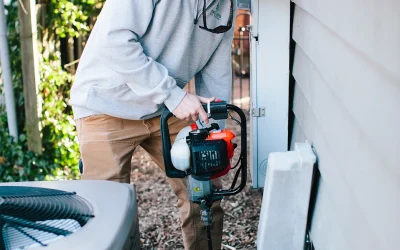
How Often Should You Have Pest Control in the Piedmont Triad?
How Often Should You Have Pest Control in the Piedmont Triad?If you don't currently have a major pest problem, you may wonder whether regular pest control is really necessary. How often should your home actually be treated? For many homeowners in the Piedmont Triad,...
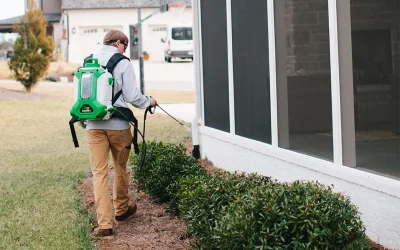
Piedmont Triad Pest Calendar: What Homeowners Should Watch for Each Season
Piedmont Triad Pest Calendar: What Homeowners Should Watch for Each SeasonLiving in North Carolina's Piedmont Triad means getting a little bit of everything when it comes to weather. Hot, humid summers, cool winters, rainy stretches, and plenty of temperature swings...
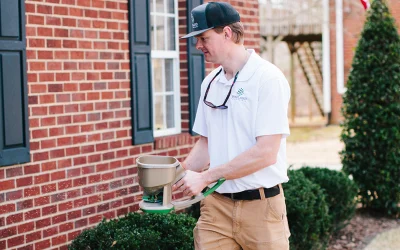
Fall Invaders: What You Need to Know (and How to Keep Them Out)
Fall Invaders: What You Need to Know (and How to Keep Them Out)When the weather cools and the leaves start to turn, many homeowners notice some unexpected visitors. Stink bugs on the curtains. Lady beetles on the windowsills. Boxelder bugs sunning themselves on the...